
Why treatment-first make-up is redefining beauty in Asia
From post-procedure coverage to pollution protection, the latest generation of treatment-first make-up doesn’t just sit on the skin. As Aimee Yan reports, it actually leaves your face feeling as good as it looks
In the past, many believed that make-up harmed the skin. Make-up and skincare were often seen as two opposing forces. The former was something you had to apply to hide imperfections, while the latter was only there to repair the damage it caused.
However, in 2026, these old beliefs have completely changed. Today, women are more focused on health than ever before, from eating organic food and drinking clean water to exercising regularly. This strong desire for a healthier lifestyle has now extended to our skin. We no longer just want to look beautiful with make-up. We also want healthy, glowing skin even when we’re wearing no make-up at all. This important shift has turned clean beauty from a niche trend into the new standard. The key question has become: Since foundation stays on the skin for more than eight hours a day, why can’t it also care for the skin?

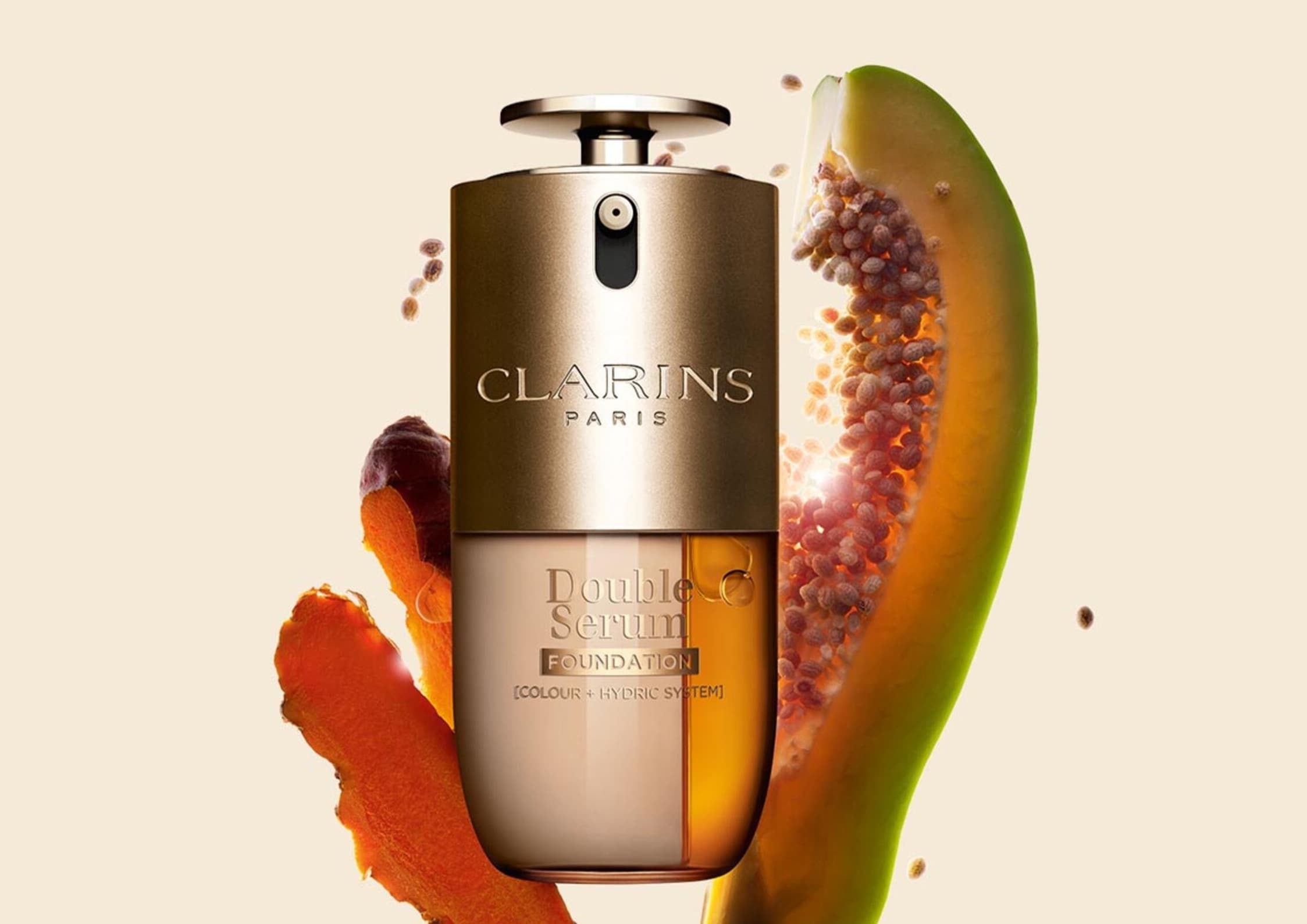
Photo: Clarins
This new mindset has given rise to the treatment-first philosophy. Instead of focusing only on coverage and colour, beauty brands are now adding effective skincare ingredients - antioxidants, plant stem cells and barrier-repairing agents – directly into their make-up formulas. Before, the main goals were high coverage and long-lasting wear, even if they came with dryness or irritation. Now women want make-up that looks natural, feels comfortable and helps improve the health of their skin.
This is more than just new technology. It reflects a deeper change in lifestyle and mindset. Women are no longer willing to sacrifice their skin’s long-term health for short-term beauty. Instead, with every application, they choose to give their skin gentle, caring treatment.
And if treatment-first make-up is a global trend, Asia is leading the way. In recent years, advanced skincare treatments such as picosecond lasers, skin boosters and Thermage have become very common among urban women, almost as routine as getting a haircut. However, after these procedures, the skin needs time to recover. Whereas the advice used to be to go completely barefaced while the skin healed, this is often not realistic for today’s busy professionals.

Photo: Clé de Peau Beauté
This challenge has created strong demand for gentle, post-procedure-friendly base make-up. Skincare-infused make-up fills this need perfectly by combining coverage with soothing, repairing ingredients. At the same time, Asian beauty standards have evolved. We’ve moved away from the heavy, porcelain-doll look of the past and now prefer a natural, healthy, breathable finish – what many on social media call “born this way” skin.
This aesthetic celebrates the skin’s natural vitality, a fresh, lit-from-within glow that looks hydrated, plump and healthy. Unlike traditional heavy foundations that cover and mask the skin’s texture, today’s treatment-infused bases blend seamlessly with the complexion. Beyond beauty, environmental factors such as high humidity and pollution have made sensitive skin very common in Asia. As a result, there is strong demand for lightweight formulas with soothing and anti-inflammatory properties
A new type of consumer, often called skintellectuals, carefully studies ingredient lists and expects real results. In this competitive market, leading luxury brands like Clé de Peau Beauté and La Mer must continue to improve the balance between skincare benefits and colour coverage. In the treatment-first category, these brands have transformed base make-up from simple coverage into 24-hour skincare.
Clé de Peau Beauté understood this shift long ago. Its philosophy is that make-up should never burden the skin. Instead, it should be accepted by the complexion as easily as a serum. The brand’s foundations are infused with the Precious Lakesis Complex, which helps improve skin elasticity and firmness over time. Beyond hydration, these formulas also provide a soft-focus effect that gently blurs imperfections.

Photo: La Mer
La Mer takes skin repair even further. Knowing that post-procedure or sensitive skin needs extra care, it created the Skincolor de la Mer collection infused with its signature Miracle Broth. This powerful ingredient helps renew, repair and rejuvenate the skin. The active ingredients are released gradually throughout the day, strengthening the skin barrier while evening out skin tone. This innovative approach has made La Mer a leader in Asia’s growing medical aesthetics market.
Beyond the big heritage brands, 2026 has seen a wave of new, innovative skincare-focused make-up brands entering the market. These emerging players are not content with simply adding small amounts of botanical extracts. Instead, they’re incorporating clinical-grade concentrations of active ingredients directly into their formulas. Many are also creating products specifically designed to protect the skin from urban pollution and blue light damage, which are very common in Asian cities.
These new brands operate more like functional cosmetics, sparking a technology race across the entire beauty industry. Today, even lipsticks and blushes are enriched with beneficial skincare essences. The rise of treatment-first make-up represents a major shift in the beauty world. The old compromise between looking good and keeping skin healthy is over. It has been replaced by a win-win approach.
As this movement continues to grow across Asia, the future looks very promising. Foundations may soon offer anti-ageing benefits. Lipsticks could become as nourishing as skincare oils. For today’s ingredient-conscious consumers, this is more than just a product upgrade; it is a true act of selfcare. Every application becomes an investment in healthier, better skin for the future.
Also see: 5-step routine for ultra-glossy, mirror-shine hair

.jpg&w=3840&q=75)

-5.jpg&w=3840&q=75)