
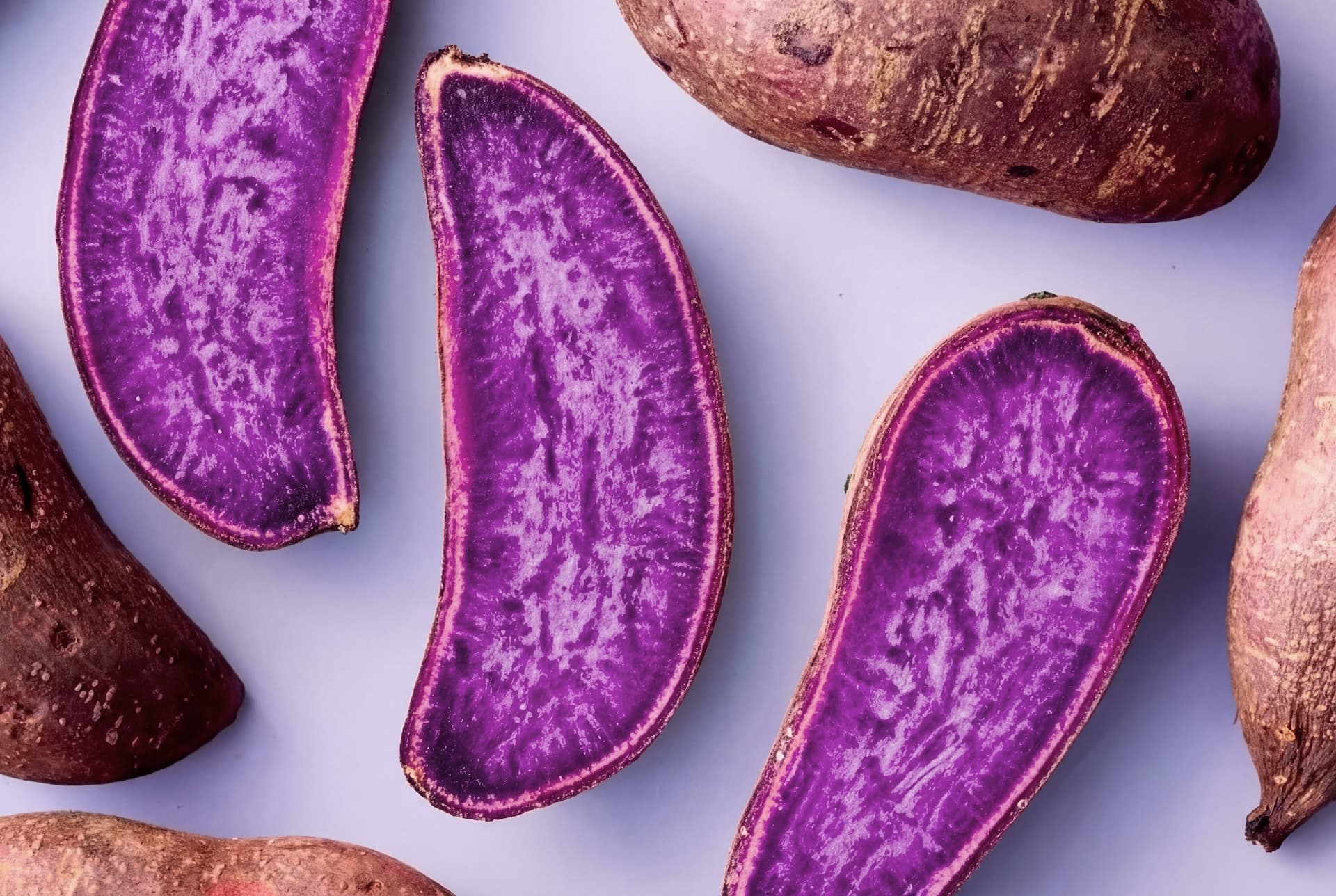
Why ube is becoming the internet’s new favourite
Move over matcha - ube is the Internet’s new favourite. Native to the Philippines, this naturally sweet purple yam is everywhere, turning drinks into violet stars and taking over feeds. Stephenie Gee looks into how ube is stepping into the spotlight, and whether this vibrant purple wave has what it takes to claim matcha’s crown
There is always an ingredient of the moment. The one that colonises every café chalkboard, takes over your Explore page and somehow ends up in a dessert, cocktail and skincare launch within the same season. For the last few years, that has been matcha – green, grassy and alluring. This finely ground powder, made from specially grown and processed green tea leaves, has transcended its traditional ceremonial roots in Japan to become something of a global phenomenon. Walk into any café and you’ll find matcha lattes, matcha cocktails, matcha dessert, matcha ice cream, matcha tiramisu. Blended, iced, foamed, carbonated, flavoured – the possibilities are endless.

But just when it felt like the green era had peaked, a new colour has entered the chat: purple. Meet ube, (meaning “tuber” in Tagalog and pronounced “oo-beh”), a vivid purple yam indigenous to the Philippines that has been quietly beloved by generations of home cooks who never needed a trend cycle to tell them how good it was. Once confined to Filipino desserts like ice cream, slow-cooked ube halaya jam and halo-halo shaved ice, the humble root is now being reimagined globally into bold modern forms, from lattes and milk teas to patisserie and more.
Starbucks helped spark the trend in 2025 with limited-time offerings of ube iced coconut latte and ube espresso martini, expanding its 2026 spring menu to include an ube matcha latte and ube vanilla macchiato. Vission Bakery has featured seasonal ube pastries such as ube puffs and bakery specials, while The Cakery offers an ube lava tart, layered with banana cream and caramel, and finished with chocolate crumble. Even the beauty world is capitalising on the trend, with the vegetable inspiring an entire Huda Beauty collection called “Ube Ubsession” and earning a spot in Tower 28’s lip balm lineup. The shift feels familiar: niche ingredient, striking colour, a wave of curiosity and a generation ready to turn it into a lifestyle. So the question remains: is ube about to have its matcha moment?

Matcha required convincing. It leaned into minimalism and ritual and made you feel like you needed to understand it before you could enjoy it. It didn’t trend on taste alone. Instead, it rode the wave of wellness, café culture and a very specific aspirational lifestyle. Synonymous with mindful, aesthetic living, it defined an entire era of calm mornings, productivity and picture-perfect routines, with people swapping their daily coffee for what felt like a gentler, more mindful wake-up. Because nothing says sophistication quite like sipping what tastes suspiciously like freshly mowed lawn clippings, served over almond milk, of course, for moral superiority.
Ube has no such agenda. It does not pretend to align your chakras. It just wants to taste good and photograph better than anything else on the table. While matcha evokes minimalism and restraint, ube leans into playful indulgence. It feels - and looks - more fun than functional. That soft lavender hue sits perfectly within Gen Z’s aesthetic universe, stands out on a feed and instantly feels like something you need to try. A search of the ube hashtag shows 120,000 posts on TikTok and more than 750,000 posts on Instagram, all featuring its striking purple hue.

But it’s not just about the looks. Ube’s appeal lies in its versatility, working equally well in drinks, baked goods, desserts and even savoury dishes. Raw, it is firm and starchy; once cooked, it becomes soft and creamy; puréed, it develops a smooth, almost velvety texture. The flavour is easy to love, too, especially for those who find matcha a little too earthy or bitter. It’s mildly sweet, nutty, faintly reminiscent of vanilla and coconut, and doesn’t require you to develop a palate for it.

Health and wellness perceptions are adding further momentum to the trend. That vibrant purple comes from anthocyanins, the same antioxidants that make blueberries worth their wildly overpriced reputation. These compounds are known for their anti-inflammatory properties and have been linked to better heart health, brain function and reduced oxidative stress. Like most starchy tubers, ube offers complex carbohydrates that provide a steady energy release rather than a quick spike and crash, making it a grounding alternative to stimulant-based superfoods. It’s also rich in fibre and packed with vitamins A and C, which support digestion and immune function. And unlike matcha or coffee, ube is naturally caffeine-free, making it a drink that can be enjoyed at any time of day without impairing sleep quality.
Not every viral drink has staying power, but ube has a few things working in its favour. That said, trends are moving faster than ever. Ube may or may not replace matcha, and honestly, it doesn’t need to. They can exist side by side it as a different kind of craving, which works just fine. For now, though, the purple takeover is very real. And if your next café order looks a lot less brown or green and a little more lavender, just know you’re right on time.
Also see: 5 calm luxury rituals for a mid-year wellness reset
More Stories
.jpeg&w=3840&q=75)
National Pickleball Day 2026, a beginner’s guide with Stackd

The #legend100 guide to the perfect long weekend
The 5 best luxury beach accessories
-5.jpg&w=3840&q=75)